ISO 14064-3:2019 Verification and validation of greenhouse gas statements

Verification is the systematic, independent and documented process for the evaluation of a greenhouse gas assertion against agreed verification criteria. Verification provides an independent assessment of the data associated with a GHG inventory or project and typically offers an opinion on the accuracy of the estimates or measurements, thus giving confidence to others interested in the results. This course details the correct ISO approved methodology to verify Greenhouse Gas emissions.  Only by using the correct verification methodology can one provide the independent and correct assessment of the data associated with a GHG inventory or project. 

This course will provide detailed training on the approach to using the ISO 14064-3:2019 standard, with specific examples of how verification would be applied to a GHG inventory prepared according to the ISO 14064-1:2018 standard or a project that conforms with the ISO 14064-2:2019 standard. Topics such as principles of verification and how a verification opinion statement is produced will also be covered.

This course includes an examination component and participants who successfully pass the exam will receive a certificate of completion. 

Course Content

The course will cover elements of: 

  • How verifiers can assess their own competencies to conduct the verification
  • How a verifier can establish the verification scope, objectives, criteria and level of assurance with their client
  • How to establish a materiality threshold for the verification
  • How to assess GHG information systems and controls
  • How to develop a verification plan including a sampling plan
  • How to assess GHG information systems and controls

Who Should Attend

  • Consultants
  • Auditors
  • Chartered Accountants
  • Professional Engineers interested in offering validation or verification services to the emerging carbon marketplace or for national and international regulated GHG programs
  • Regulated entities and offset project developers also may be interested to understand the processes of validation and verification so they know what to expect when engaging in them.

Benefits of becoming verifier certified 

Achieving ISO 14064 training and certification is the optimum way to demonstrate your competence in GHG systems – both mandatory and voluntary schemes (CORSIA, EU ETS, UN CDM, UK MCP, and other international schemes.

  • Internationally recognized certificate.
  • Gain an important competitive edge in the expanding carbon emissions industry. 
  • Add to your professional development.
  • Benefit from the practical work based on real life GHG case studies, taught by experienced experts.
  • Become the recognised expert in your own workplace for GHG quantifications, emission reduction projects and GHG validation and/or verification.
  • Enable employers to be recognised for their proactive approach to sustainability and emissions management.
  • Be part of a global expert community.

The course includes interactive team-based exercises, a detailed case study (to reinforce key concepts throughout the course), quizzes and a final exam. 

ISO 14064-2:2019 Specification with guidance at the project level for quantification, monitoring and reporting of greenhouse gas emission reductions or removal enhancement

This course provides a background and introduction to greenhouse gas projects. Projects that both reduce emissions (e.g. alternative energy systems) and enhance emission removals (e.g. forestry projects) are addressed. The course reviews the requirements of ISO 14064-2:2019, including principles and requirements for determining project baselines, monitoring, quantifying and reporting project performance, and validation and verification requirements. The course also explores the linkages between ISO 14064-2:2019 and other GHG protocols, such as the WRI/WBCSD GHG Protocol for projects and the Voluntary Carbon Standard. Potential linkages with the Clean Development Mechanism will also be discussed.

Who Should Attend

  • Individuals involved in the management of project GHG emissions
  • Energy and environmental consultants
  • GHG validators and verifiers

Course Outline

The course will cover elements of: 

  • Introduction to GHG Projects 
    • Overall introduction to GHG projects
    • Types and rationale for GHG projects 
    • Key points of the GHG project cycle 
  • ISO 14064-2 Terms & Definitions
    • Overview of ISO 14064-2:2019 GHG Standard for Projects and WBCSD/WRI 
    • GHG Protocol for Projects 
    • Key terms and definitions, Principles, General requirements 
  • Identifying Sources, Sinks, Reservoirs 
  • Identifying sources, sinks and reservoirs (boundaries and leakage) 
  • Identification of SSRs relevant to the project 
  • Seven Step Procedure to identify relevant SSRs for the project 
  • Application of Procedure 
  • Documentation of the application of the procedure 
  • Determining the Baseline Scenario 
    • How to select a procedure 
    • Project Specific procedure
    • Identification of potential baseline candidates 
    • Barriers test 
    • Performance standard
    • Comparison of CDM Additionality Tool and WBCSD/WRI GHG Protocol for Projects
    • Quantifying GHG Emissions or Removals 
    • Quantifying GHG emissions and/or removals 
    • Selection of relevant SSRs for monitoring or estimation
  • Quantifying GHG Emissions or Removals
    •  Quantification of GHG emission and removals 
    • Use of emission or removal factors
    • Types of emission factors 
  • GHG Monitoring and Data Management 
    • GHG Monitoring and Data Management 
    • Monitoring Plan 
    • Developing a Monitoring Plan 
    • Quality Control, Quality Assurance 
    • GHG Information Management System 
  • Documenting and Reporting 
    • Documenting, validating, verifying and reporting the GHG project 
    • ISO 14064-2 Reporting Requirements 
    • Documenting the GHG project 
    • Validation and/or verification of the GHG project 
    • Reporting the GHG project, GHG Protocol Requirements on Reporting

Benefits of attending this course

  • Understanding ISO 14064-2 Terms, Definitions, Principles and General requirements
  • Identifying sources, sinks and reservoirs for the project
  • Determining the baseline scenario
  • Selecting specific procedures
  • Prove additionality
  • Quantifying your GHG emissions and removals
  • Managing your GHG data
  • Documenting, validating, verifying and reporting your GHG projects to allow successful validation and verification

ISO 14064-1:2018 Quantification and reporting of greenhouse gas emissions for organizations

Course Content

This course provides the basic knowledge and understanding to help organisations quantify and manage their greenhouse gas emissions. It reviews the ISO 14064-1:2018 requirements for determining Greenhouse Gas (GHG) emission boundaries, quantifying an organisation’s GHG emissions and removals and identifying specific company actions or activities aimed at improving GHG management. It also includes requirements and guidance on inventory quality management, reporting, internal auditing and the organisation responsibilities in verification activities. The course also reviews how the requirements of ISO 14064-1:2018 relate to existing GHG schemes and other key protocols and standards, including ISO 14001 and the World Resources Institute / World Business Council on Sustainable Development Greenhouse Gas Protocol. All participants will receive a certificate of attendance upon completion of this course.

The course will cover elements of:

  • Introduction to ISO, ISO 14064 standards & WBCSD/WRI GHG Protocol 
  • Introduction to GHG Inventories
    • Overall introduction to GHG inventories
    • Understanding the purpose of a GHG inventory for organisations
    • GHG inventory development process
    • GHG inventory process diagram
    • Plan the development and implementation of the GHG inventory
    • Develop/Check the procedures and systems required for the GHG inventory
    • Report/Review
  • 14064-1:2018 & GHG Protocol
    • Introduction and comparison of ISO 14064-1:2018 GHG Standard and WBCSD/WRI GHG Protocol for Corporate Accounting
  • GHG Management Handbook
    • GHG management policies, strategies and targets
    •  Company GHG policy statement, strategies
    •  Risk/Opportunity analysis
    • Corporate GHG targets
    • Corporate GHG action plans
    • Inventory purpose, fundamentals, scope criteria, and intended users
    • Roles and responsibilities
    • GHG Management principles
    • GHG quantification principles
    • Inventory management
    • Objectives, targets and procedures
    • Emission management and internal actions
    • Objectives, targets, action plans and procedures
  • GHG Information Management System
    • What is a GHG IMS?
    • Why develop and implement a GHG IMS?
    • How to establish a GHG IMS
    • Assessing and reducing uncertainties
    • GHG verification

Benefits of attending this course

  • Obtaining knowledge and understanding of ISO 14064-1:2018 
  • Exploring the purpose of your GHG inventory
  • Developing your GHG inventory process, e.g.  for the Carbon Pricing Bill
  • Quantifying and managing greenhouse gas emissions.
  • Identifying specific company actions aimed at improving GHG performance.
  • Identifying emission “Hot Spots” in your supply chain
  • Understand how to prepare a carbon monitoring plan for your company
  • Understand principles of Scope 1 and Scope 2 emissions, e.g. for preparation of environmental data in sustainability reports under SGX Sustainability Reporting Guidelines, and CORSIA
  • In addition to gaining competency to report the organization’s GHG emissions, attain an internationally recognized certificate to demonstrate your knowledge in GHG quantification

Who Should Attend

  • Consultants
  • Auditors 
  • Verifiers for sustainability reports
  • Chartered Accountants
  • Professional Engineers interested in offering quantification services to the emerging carbon marketplace or for national and international regulated GHG programs
  • Regulated entities and offset project developers also may be interested to understand the processes


ISO 14064-1 :2018 and ISO 14064-3:2019 Course, Sept-Oct 2020 (Online)

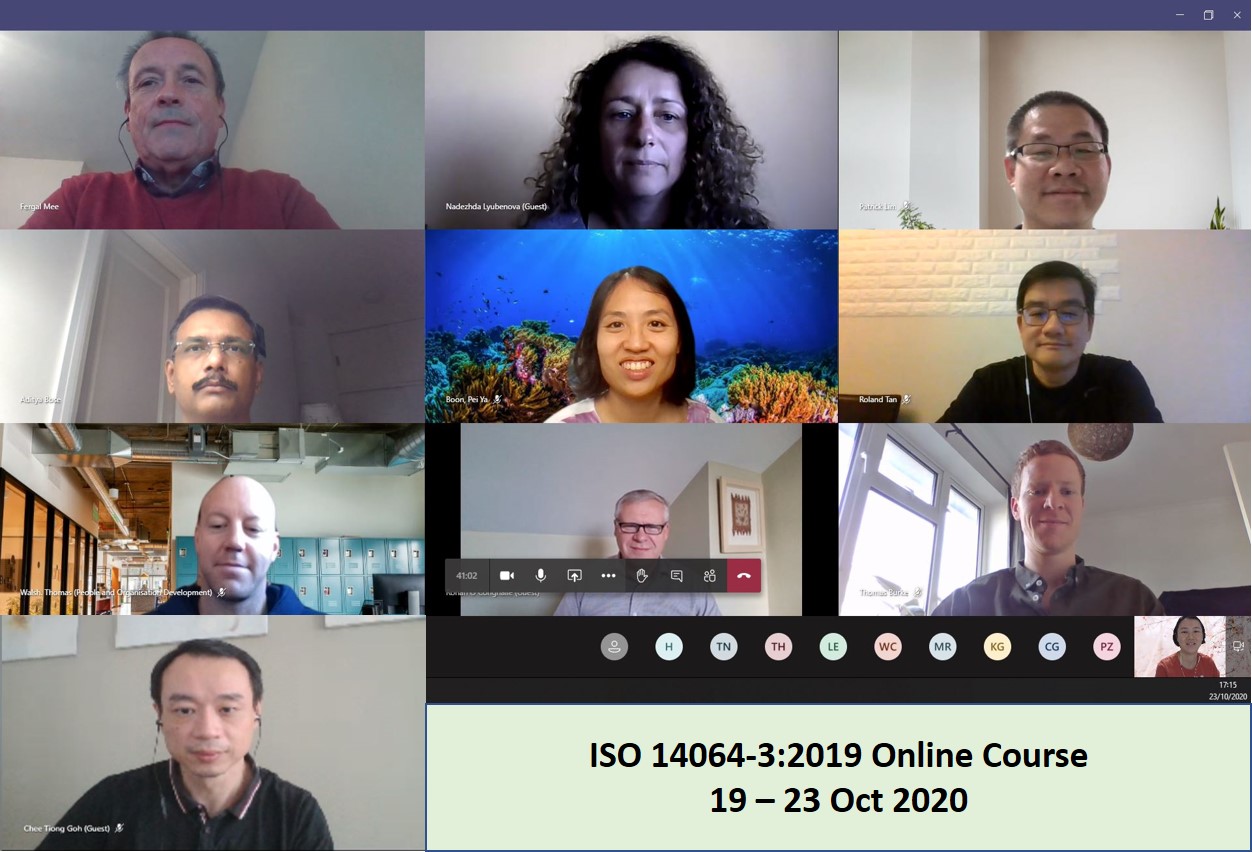
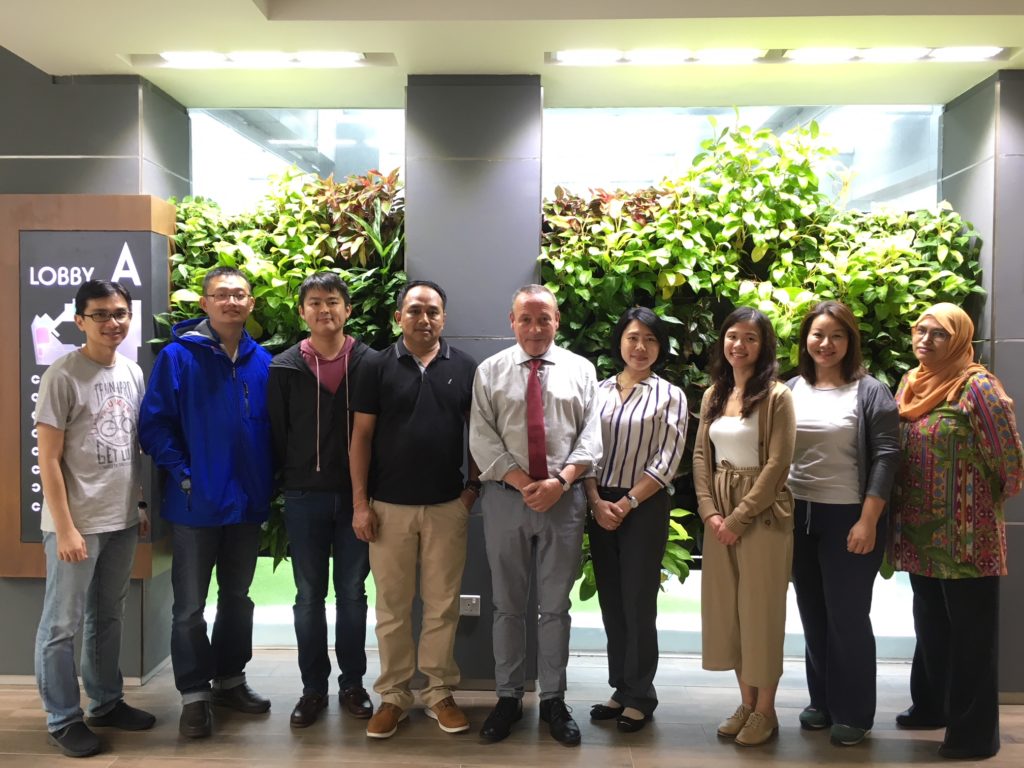
We have just recently concluded our ISO 14064-1 and ISO 14064-3 online classes this week! The face-to-face classroom session for these courses had initially been scheduled to be held in Singapore in March 2020 but had to be postponed due to COVID-19. Fortunately, Carbon Action was able to deliver this virtually, and we had a class of 18 participants in the ISO 14064-3 class, joining in from UK, Ireland, Bulgaria and Singapore. Looking forward to continued successful runs of our online classes until such time that we can resume our classroom lessons.

Carbon Emissions Reporting and Verification Course

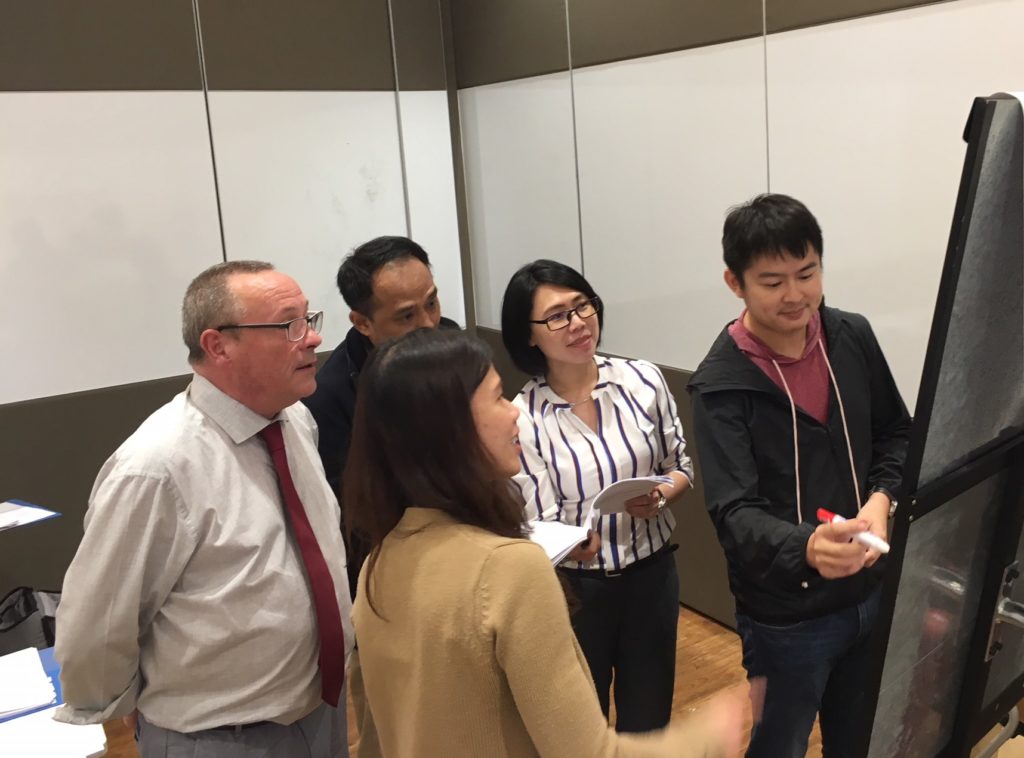
We have successfully concluded our course on Carbon Emissions Reporting and Verification held in Singapore from 16-20 July!

ISO 14064-1 and ISO 14064-3 are internationally recognised standards used for carbon emissions reporting and verification, and frameworks and principles from these standards can be adopted by companies that wish to voluntary report on their carbon emissions, as well as those that are required to do mandatory reporting, such as the those impacted by the Carbon Pricing Act in Singapore, the maritime sector (under the European Union (EU) shipping Monitoring, Reporting and Verification (MRV) Regulation) and the aviation industry (under the Carbon Offsetting and Reduction Scheme for International Aviation – CORSIA).

For those preparing Sustainability Reports or if your organisation is seeking external assurance for Sustainability Reports, the ISO 14064 course will provide you with a greater understanding on how the Scope 1, Scope 2 and Scope 3 Emissions of an organisation should be reported, and the extent and type of information the organisation should have in place when emissions related data sets are being verified.

The next run of this course has been scheduled for 7-11 Jan 2019. To register your interest and for more details, please get in touch with us at training@sustinere.com.sg

Trainer/Facilitator for Sustainability Internship Program, 5-6 May 2018

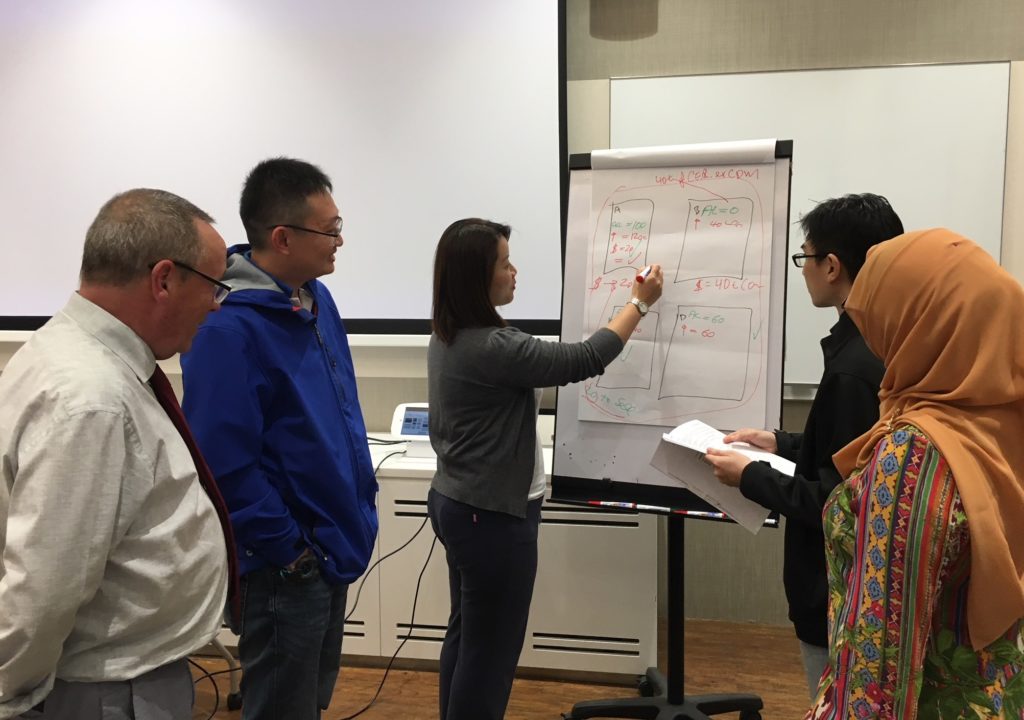
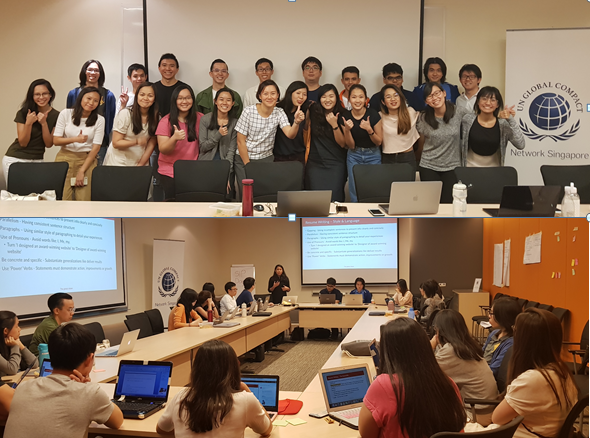
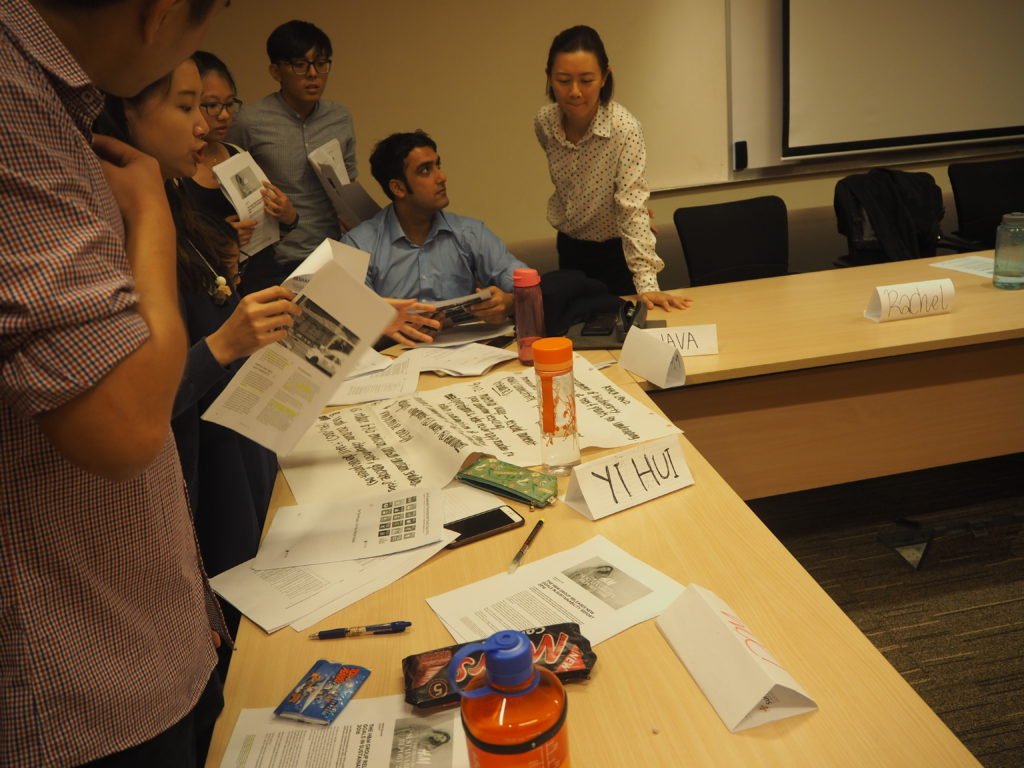
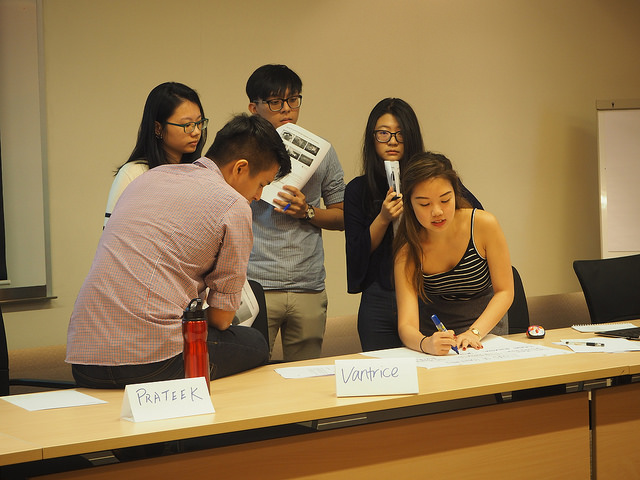
I was thrilled to be with a group of young adults for 2 days (5-6 May 2018) for the Sustainability Internship Program.  It was a fun filled yet intense 2-day program which saw participants discussing topics ranging from labour rights to environmental issues and corporate governance. I hope that this 2-day program allows participants to better understand sustainability topics within the companies that they may find themselves attached to, or working for, in the near future. Many thanks to Global Compact Network Singapore (GCNS) for also engaging me as a trainer/facilitator for this program!

Photo Credit: GCNS

Trainer/Facilitator for Sustainability Internship Program, 28 Oct 2017

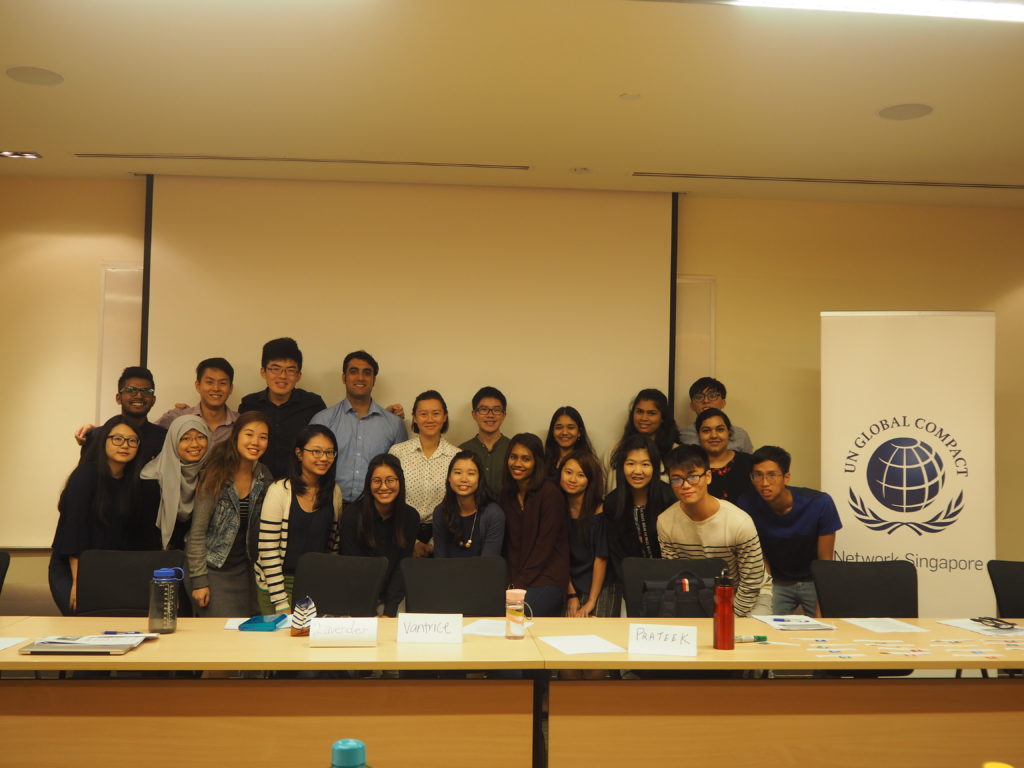
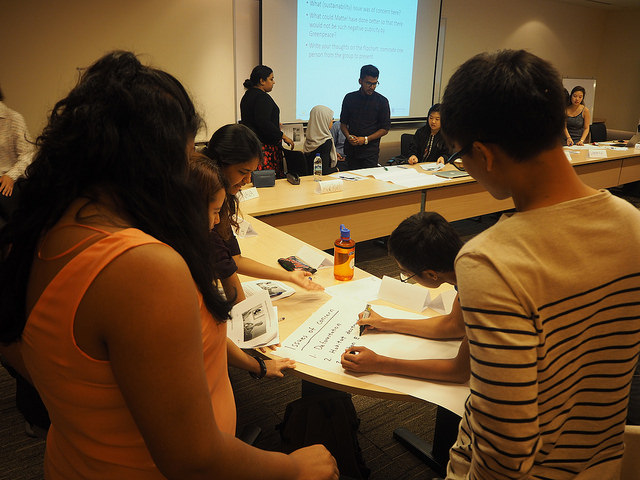
Glad to have a chance to be a workshop facilitator for the Sustainability Internship Programme, which is an initiative by Global Compact Network Singapore. The objective of the training workshop is to provide participants with basic Sustainability knowledge before they embark on an internship with a company.  We had a very fruitful Saturday (28 Oct) discussing how companies could be involved in addressing the various sustainability issues we face in Singapore and also what sustainability related challenges companies in other industries face.

More on the Sustainability Internship Program can be found here http://www.csrsingapore.org/c/youth/sip

Photo credit: GCNS
Photo credit: GCNS

Photo credit: GCNS


Photo credit: GCNS

Speaker at Intercem Asia 2017, Jakarta, Indonesia

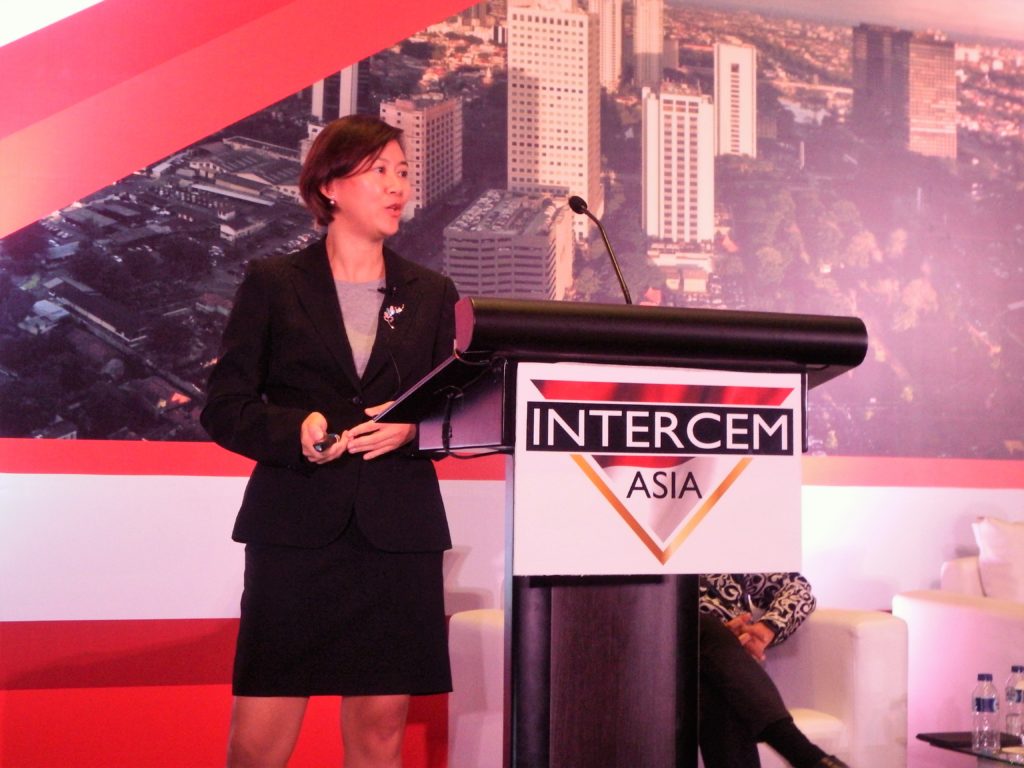
I was a guest speaker at Intercem Asia 2017, which was held in Jakarta from 11-13 Sept, and spoke on the topic of sustainability reporting for the cement industry, specifically on what could be material issues for the cement industry.

Cement production is the source of 8% of global greenhouse gas emissions, more than all the world’s cars put together. Most of this is due to chemical processes and heat requirements.  It is quite evident that environmental issues are material, but if we look at the supply chain of the cement industry, there could also be other areas for concern, such a rights of indigeneous people when companies use land for building the plants, or even possibly child labor, if we think about where the materials such as limestone could be mined from. Environmental topics usually pop up in most people’s minds when they think about sustainability. While those are important, we shouldn’t forget about social topics, e.g. human rights, local communities and health and safety of workers.

Photo credit: Intercem

Mentor for CDL-GCNS Young CSR Leaders Award 2017

Extremely honoured to have the opportunity to work with Global Compact Network Singapore as a mentor for the CDL-GCNS Young CSR Leaders Award 2017. The mentoring took place in June 2017 and I worked with 2 teams – one from Yale-NUS, and another team from SMU. It was a very enriching experience mentoring the students, I enjoyed the sharing sessions, discussing what sustainability really means for corporate organisations, and exploring exciting and realistic solutions for their proposals. A lot of our discussions took place over the phone, Skype and in the evenings after the students finished classes / work attachment.

I am glad that the hard work paid off for Team Viride from SMU, which was assigned to develop the sustainability proposal for AkzoNobel. They took the top prize for their human centric and innovative environmental strategies!

Photo credit: SMU

[Featured Photo: (R-L): Michelle Ann Lim, Lim Yi Chang, Ng Rui Qin and Amelia See with Ms Grace Cheah]